Pick the landing page stack when each client needs its own lander
You run paid traffic for several clients, and each one needs its own domain, its own test, and sometimes its own login. Pick a lander specialist when the billable work is a fast page and a test on the URL already in the ad, and pick a sub-account CRM when you resell the software and the follow-up after the click is the product.
An agency landing page builder earns its place on the invoice you send, not on a star rating. I score five lines before I name a product. Miss one of them and the second month is when the roster stops fitting the plan you sold.
Workspaces, which some vendors call sub-accounts, are the wall between clients. Client A's pixel, form destination and domain have to stay off Client B's pages. If the only way to get that wall is a second subscription, the software bill grows with every new contract.
Custom domains are the next line. The client already owns the address in the ad, or they will once legal asks whose site the form sits on. You want to attach that domain to their pages without opening a fresh subscription for the account.
Seats show up the week a freelancer joins a sprint. Count people who edit against people who only need to look. The cards below publish a team-member count or an editing-seat count. A separate view-only price is not on those cards.
White label is the login the client actually sees. Either that screen wears your name, or it wears the vendor's. A workspace can separate the files and still dump the client into the vendor's own portal. Those are different products, and agencies get them confused when the sales deck says "for agencies" on both.
The last line is the test. A same-URL split test keeps the address already pasted into the ad. What that does to ad learning is covered in split-test a lander without resetting ad learning. If a vendor's own article gives the variation a new address, do not tell the client the campaign link can stay where it is.
When the login has to be yours
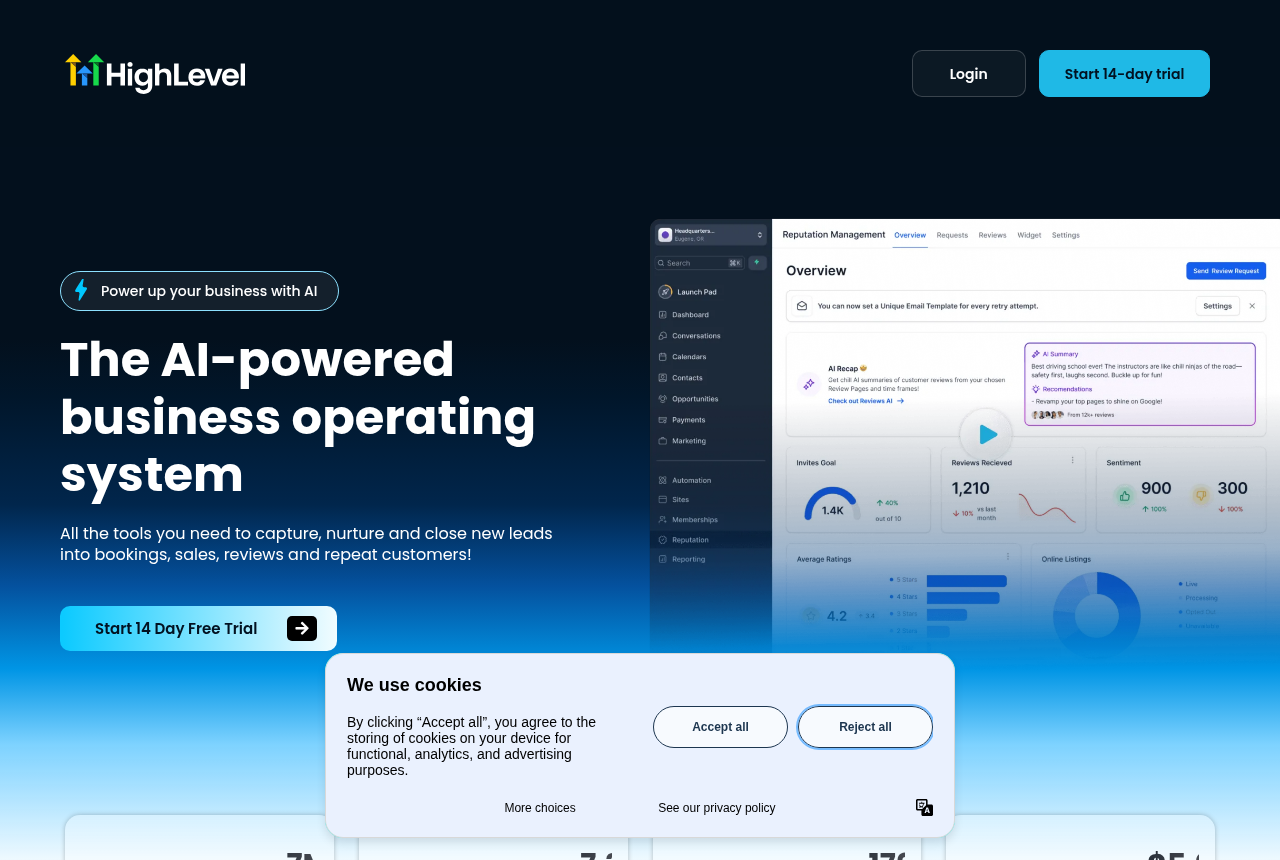
GoHighLevel is the white label landing page builder on this shortlist. On the higher tiers you can brand the web app, the client portal and the notifications as your own, and package your services with the software. That sentence is from GoHighLevel's comparison with ClickFunnels. The pricing page puts the gap between tiers on how many sub-accounts you can manage. The entry tier is a short roster. Unlimited sub-accounts, and a white-label desktop app, start on the middle tier. The top tier adds SaaS mode so the resale itself is not capped.
Paid by the year, the top tier sits under the middle tier. Use the two yearly lines on the card when a client asks for an annual fee, because the names climb and the yearly amounts do not.
The sticker is a floor. Phone, SMS and email usage still bill on top of the subscription. I would put that usage into the quote before I promise a client a flat software fee. A month of texts can move the invoice after the plan looks settled.
The page builder is one tab inside a CRM. Calendars, the pipeline and the wall between accounts are what you resell. I would not promise a test that leaves the ad URL alone. Nothing on the pricing page documents that behavior, so this pick stays on the portal and the follow-up after the click.
Instapage master accounts are the contrast, and the card for that product is further down. They give an agency separate workspaces per client, and the master accounts page also describes account-wide audit logs. That page does not describe a client portal you fully rebrand on the self-serve plans. If the client has to log into something that looks like your product, the GoHighLevel card is the one that says so.
GoHighLevel
Price (23 Nov 2026)
Unlimited $297/mo or $4,970/yr. Starter $97/mo or $970/yr. Founder $497/mo or $2,970/yr.
What the plan holds
Starter includes 3 sub-accounts and unlimited users. Unlimited adds unlimited sub-accounts and a white-label desktop app. Founder adds SaaS mode with unlimited reselling. SMS, email and phone usage bill on top.
Resell a branded client portal when calendars, follow-up and a wall between accounts are what the client is buying.
Landing page software for agencies with client sub-accounts is a different purchase from a portal. Some shops never resell a login. They sell the page, the domain and the test, and the client never opens the software. That is a page-only bill, and it should not include a CRM you will not turn on.
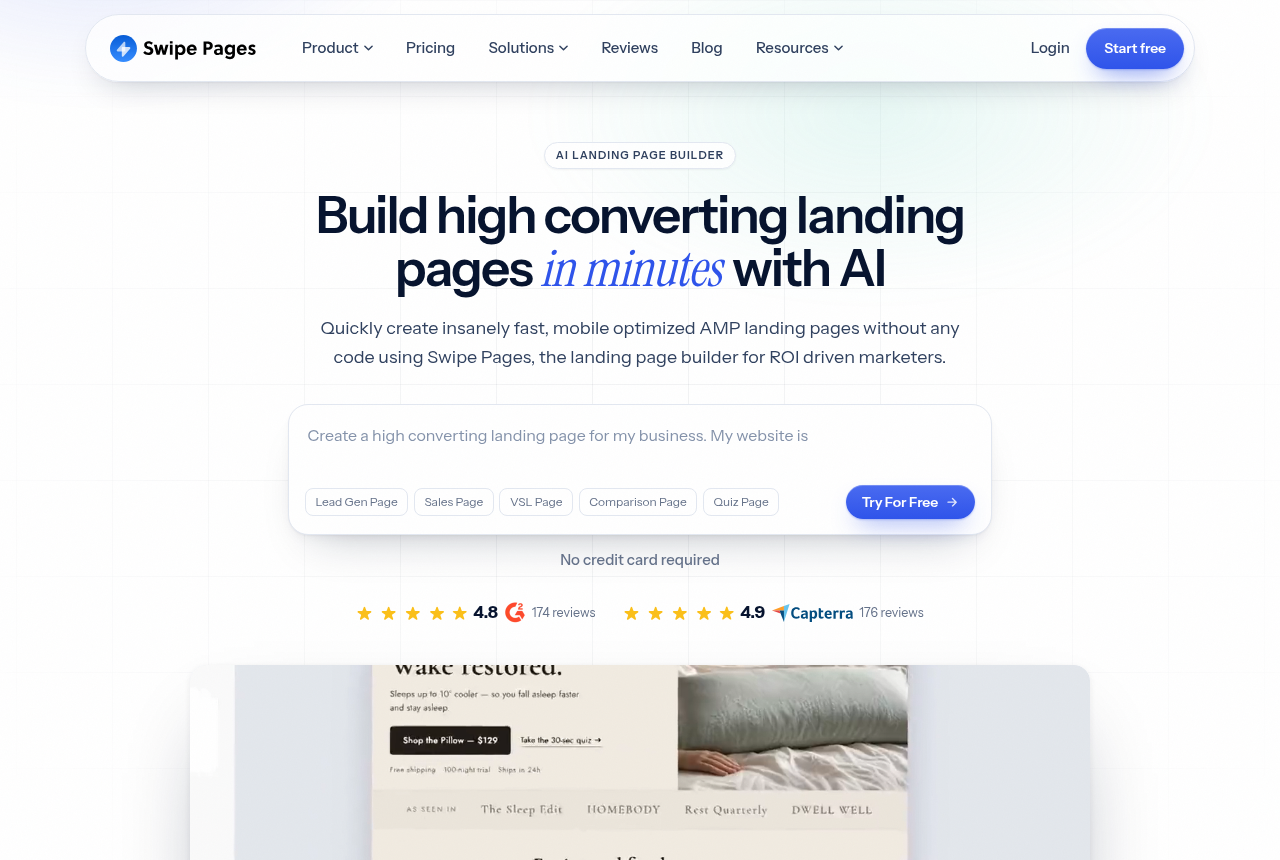
Swipe Pages Agency is the plan I open for that shop once the roster outgrows a handful of accounts. Subaccounts and custom domains stop being metered on that one subscription. Marketer, the plan under it, is the anchor while the roster is still small, and server-side A/B testing is listed from there. Past the visitor allowance, extra visits are billed in blocks. The block rate is on the card. It is a number, which is easier to explain than a surprise jump into a different product. Details past the card live in the Swipe Pages review.
Swipe Pages is also the AMP builder in this set. I point a phone-heavy media buyer there when speed on the handset is the reason the client hired you, and the work is still pages rather than a portal.
ClickFunnels Scale is the other bill in this group, and it is a funnel login rather than a page specialist. Brand workspaces are how it separates clients. Scale is where you get several of them, with a team-member cap beside the workspace cap. The plan above adds more workspaces. The entry plan is a single workspace, which is the wrong shape for a roster. Step-level A/B testing compares two versions of a funnel step. The pricing grid does not document one fixed ad URL for that test, so I would not promise a client that every campaign link can stay put. The ClickFunnels review is the longer note on what else that login includes, including email.
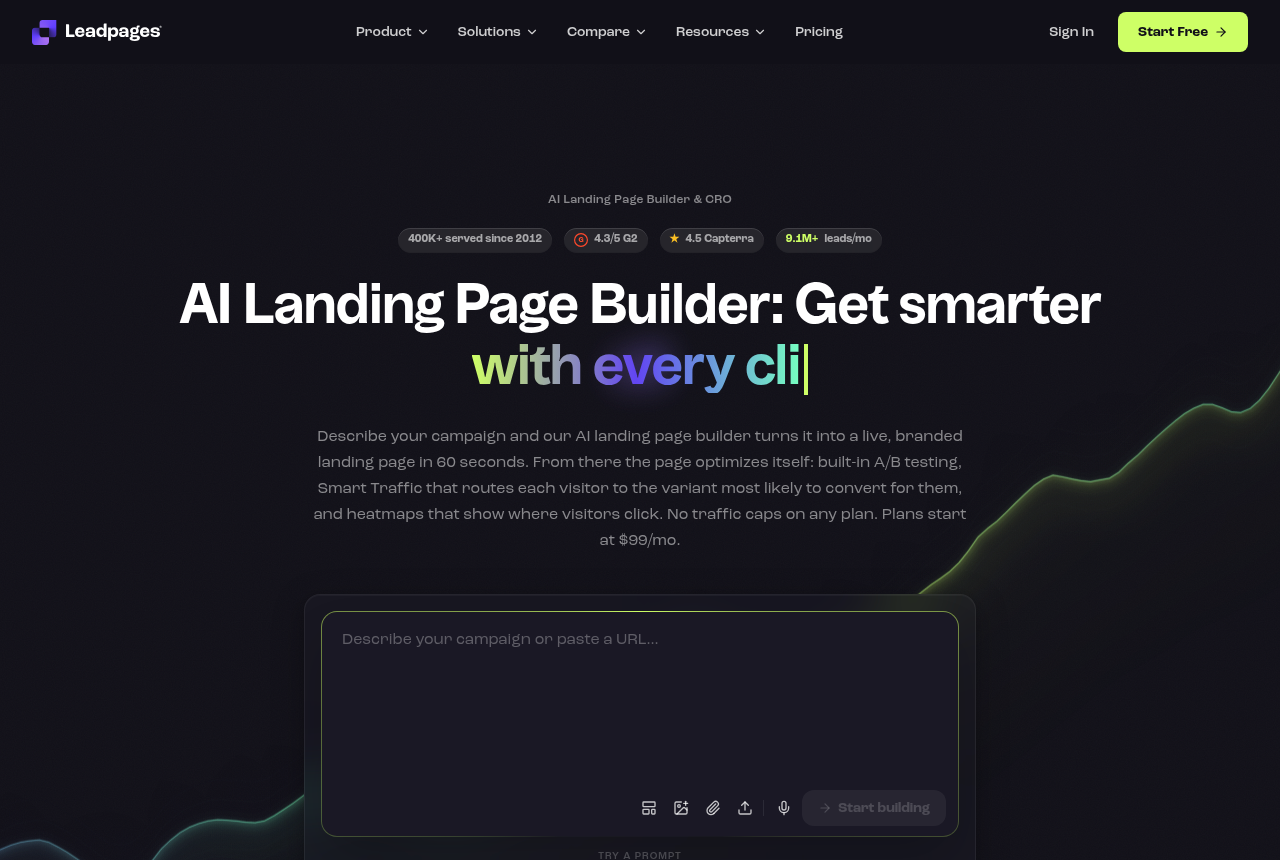
Leadpages keeps client workspaces off the public testing tier. Grow is where I would leave a shop that still has one heavy client and does not want a visitor cap. Enterprise is where the workspaces, the domains and the editing seats appear together, and the list price is a sales conversation. The card in the next section carries Grow, and the Enterprise line on it says talk to sales.
Swipe Pages
Price (23 Nov 2026)
Agency $149/mo on annual billing. Marketer $69/mo on annual billing.
What the plan holds
Agency: unlimited client subaccounts, unlimited custom domains, 500,000 monthly visitors, then $5 per extra 5,000 visits. Marketer: 5 subaccounts, 5 custom domains, 50,000 monthly visitors, and server-side A/B testing.
One subscription for pages and tests when you are not reselling a CRM login.
Some agencies barely leave the ad account. The job is matching a page to an ad, then testing the page while the campaign link stays understandable to the buyer who approved the spend. Instapage and Leadpages are the two cards for that job, and they fail in different places.
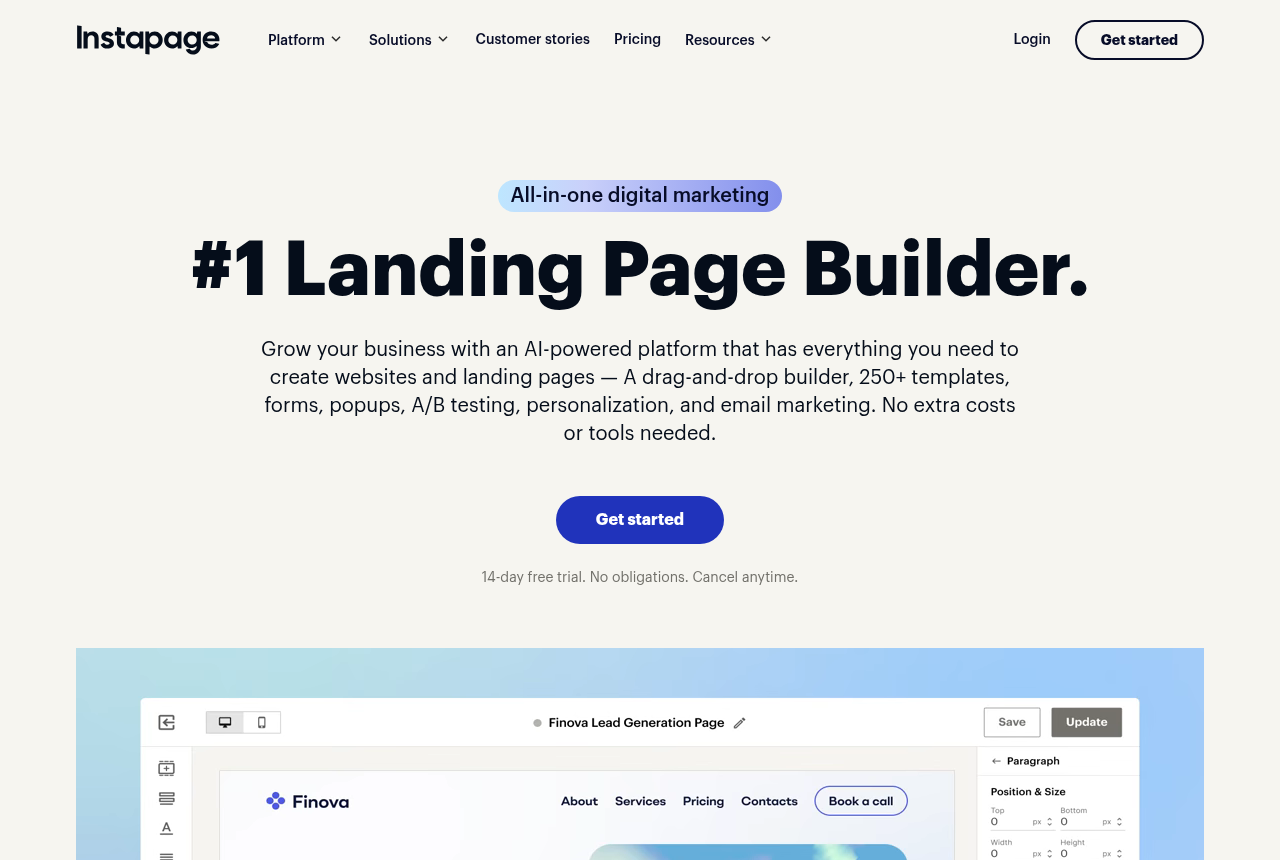
Instapage Optimize is the self-serve plan with more than one workspace. The plans page lists server-side A/B testing on that card: test multiple variants with no flickering, and change the traffic split with no page-load delay. Create, the plan under it, is a single workspace. That one workspace is the honest limit if a multi-client shop tries to stay on the entry tier. Two subdomains on that entry plan will not cover a roster.
The unique-visitor figure is the subscription's allowance. Opening another workspace does not print a second allowance beside it. Price the pool for the whole roster, not per brand. The team-member count does not rise on the step that adds workspaces, so a sprint still shares the same seats.
Ad-to-page mapping through AdMap, and heatmaps, sit on Convert. That plan is custom, so those two stay off the public Optimize card. Master accounts, already covered, separate the files. They are a client wall inside Instapage, and the feature page does not turn them into a portal that wears your name.
A buyer in an r/PPC thread wrote that they used to work with Instapage, "but that service became more focused on enterprise clients, read very expensive for small business users." That complaint is real, and it fits a small shop that felt priced out. It does not retire Optimize for an account that already spends at that level and wants the server-side test on the public card. The Instapage review goes through the plans one by one.
Leadpages Grow is the card for a media buyer who does not need a stack of client workspaces yet. Traffic on that testing tier is not metered, which is the point when one client can spike. Client workspaces are absent until Enterprise, so Grow is a single-account tool with room for traffic, not a partition for a roster. I will not claim the ad's old destination survives a Leadpages test. The pricing page does not say it does, and the split-test guide linked above is the place to settle what your ad account will tolerate. The Leadpages review holds the rest of the plan notes.
Instapage
Price (23 Nov 2026)
Optimize $199/mo or $159/mo annual. Create $99/mo or $79/mo annual.
What the plan holds
Optimize: 5 workspaces, 10 subdomains, 10 team members, 30,000 or 50,000 unique monthly visitors, server-side A/B testing. Create: 1 workspace, 2 subdomains, 10 team members, 15,000 unique monthly visitors. AdMap and heatmaps sit on Convert, which is custom.
Match ads to pages when several client workspaces have to share one visitor allowance.
The Instapage complaint above is the enterprise-price version of this problem. The other version is a buyer who wants a test without taking the expensive hosted builder as the default.
In a second r/PPC thread, a poster answering "fast launch + built-in testing" wrote: "Unbounce still fine, Landingi / Swipe Pages are the ones I'd look at first." Swipe Pages is priced on the Agency and Marketer lines above. Landingi is the other name in that sentence, beside Unbounce.
A shop with one client and a launch that has to stay on a small monthly bill is a different decision. That ladder is landing page software for a launch under $100. It does not partition a roster, and it should not be used as if it does.
Pick the stack in one pass
If the product you sell is a login in your brand, GoHighLevel is the one. Treat the plan as a floor and put phone, SMS and email usage on top of the quote.
A roster of landers, AMP on the phone, and no CRM to resell points at Swipe Pages. Take the Agency line once a handful of subaccounts is too few, and keep Marketer while the roster is still that small.
Ad-to-page work, with a server-side test on a public plan and several workspaces sharing one visitor pool, points at Instapage Optimize. Create is the wrong tier once you already have more than one brand.
One heavy client, traffic you do not want metered, and no workspace per brand yet: Leadpages Grow. Move the workspace conversation to Enterprise when the roster shows up, and expect a sales call for that price.
Funnels and email in one login per brand fit ClickFunnels Scale. Leave the campaign link out of the promise, because the pricing grid does not pin the test to one ad URL.
Marcus leads the rankings at Lander Report. He reads the long threads where media buyers argue about which builder survives a Meta review and which one resets ad learning, works through the vendors' own docs and pricing pages, and verifies every price before it goes into a table. He writes the roundups and the head-to-heads, and he cares most about one question: does a test cost you your campaign's learning phase?