Compare
Swipe Pages vs Kartra
Quick answer
Swipe Pages is our top pick for most people. Pick Swipe Pages if you buy cold traffic and need a fast mobile lander with ad-safe, same-URL A/B testing; pick Kartra if you sell your own courses or coaching and want email, checkout, memberships and a helpdesk folded into one login. Buying paid traffic and want the checkout and attribution on one record too? Weigh ElasticFunnels first.
- Swipe Pages. Best for Fast AMP pages for mobile paid traffic. From $29/mo.
- Kartra. Best for Selling your own offer with email built in. From $52/mo.
Side by side
| Tool | Split testing | Checkout | Free trial | From |
|---|---|---|---|---|
| 1. Swipe Pages | Server-side, from Marketer | Stripe, PayPal, Razorpay | 14-day, no card | $29/mo |
| 2. Kartra | Page-level, not same-URL | Yes | 14-day, card | $52/mo |
Where each one wins
Swipe Pages
What works
- Speed is the point, and it is real. Every page is built on Google's AMP framework, so it loads near-instantly on a phone. For paid traffic that is the number that matters, because a slow lander loses the click before it paints, and reviewers single the speed out above everything else.
- Its A/B testing is the ad-safe kind. From the $69 Marketer plan it splits traffic between variants server-side under one URL, so a test does not change your destination link and reset the Meta or Google learning phase. Dynamic text replacement matches the headline to the ad on the same page.
- It does not punish success. Landing pages and conversions are unlimited on every plan. Only monthly visitors are capped, and the overage is published up front at $5 per extra 5,000 visits, so a winning campaign does not trigger a surprise bill.
- There is a real checkout and a genuinely free trial. Stripe, PayPal and Razorpay checkout with order bumps and upsells is on every plan, and the 14-day trial is full-featured with no credit card, which most rivals do not offer.
What to watch
- The speed is bought with AMP's limits. AMP restricts custom JavaScript, heavy animation and some third-party scripts, so a visually complex or highly interactive page is harder to build here than in Unbounce or Instapage. Reviewers note the layout constraints, though most still find it fine for a standard lander.
- Measurement is thin. There are no native heatmaps, and users report tracking gaps such as call tracking, so you lean on your ad pixel, Zapier and an outside analytics tool to see the full picture.
- It is a page builder, not an affiliate tracker. There are no S2S postbacks to an affiliate network, so if you buy network offers you still run a dedicated tracker alongside it.
- Server-side A/B testing waits for the $69 Marketer plan, the template and native-integration library is smaller than the older tools, and support runs business hours (12x5), not round the clock.
Kartra
What works
- It really is one system, and reviewers say the consolidation is the point. Pages, email and SMS, native checkouts, courses, memberships, a helpdesk and your own affiliate program run under one login, and users describe cancelling separate CRM, email and cart subscriptions after moving in.
- From the Starter plan up it takes no cut of your sales (0% transaction fees) and includes unlimited pages, products and courses plus webinars. For a creator selling their own offer, that is a lot of platform for $99/mo on the annual plan.
- It is established and low-risk to trust. Kartra has run since 2018, reports more than 60,000 customers, and is a known quantity rather than a product that might disappear next year.
What to watch
- It is built to sell your own courses and coaching, not to run cold paid traffic. There is no same-URL, server-side split testing, so a page test can reset the ad learning Meta and Google rely on, and there are no affiliate-network postbacks for buying traffic.
- Support is the most repeated complaint. Reviewers report multi-day waits and generic 'clear your cache' replies, and even satisfied users call the team slow to respond.
- The $52/mo annual Essentials tier is thin and takes a 5% cut of sales for 5 pages and 1 product. Starter costs $99/mo annually, removes that fee and raises the limits. New users also find the editor dated and slow to learn.
A page tool versus a whole platform
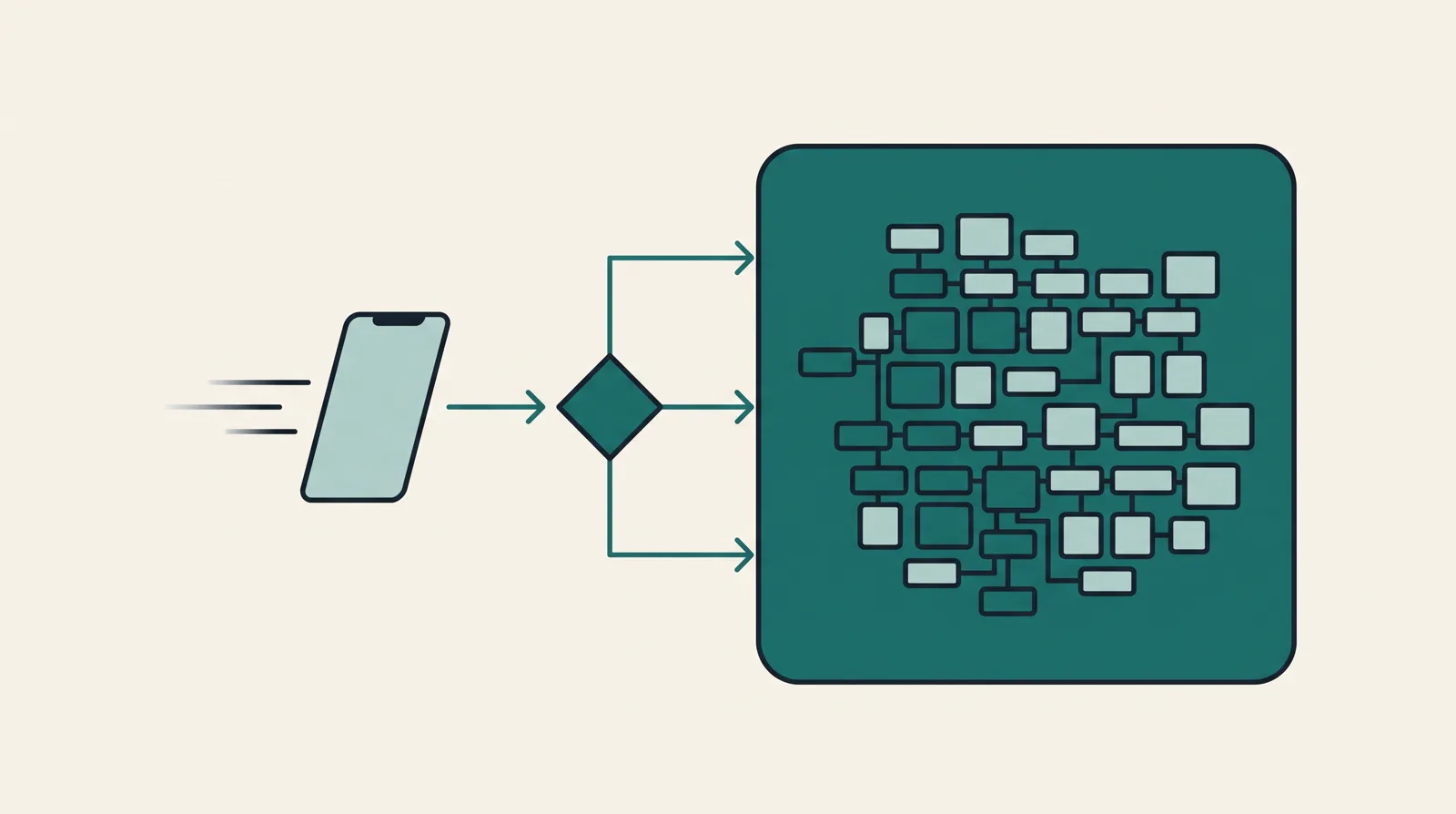
Swipe Pages and Kartra end up on the same shortlist because both put a page in front of a visitor and take a payment. That is where the resemblance ends. One is a focused landing page builder. The other is a whole platform for running a creator business. If you are down to these two, the useful question is not which has more features, because Kartra plainly has more. It is which job you are actually buying software to do.
Swipe Pages is a hosted landing page builder built for speed. Every page it publishes is built on Google's AMP framework and served from a global CDN, so a cold click lands on a page that paints almost instantly on a phone. It has a real checkout with order bumps and upsells, an AI page builder, and server-side A/B testing. It does one thing, and it is built for the moment a paid click meets a page.
Kartra is a hosted platform that sells and delivers a creator's own offer. It has run since 2018, reports more than 60,000 customers, and folds pages, email and SMS, native checkouts, courses, memberships, a helpdesk, calendars, webinars, video hosting and its own affiliate program into one login. Its value is consolidation: everything you need to sell a course and then host, service and support it, under one subscription instead of five.
So the honest framing is a page tool against a platform. Swipe Pages is the sharp instrument for the top of a paid funnel. Kartra is the system you buy when the page is only the first step and you also have to email, deliver, bill and support what you sell.
Pricing compared
The two price in completely different shapes, so a plan-to-plan line is misleading unless you read what each plan is for.
Swipe Pages has three plans, billed monthly or annually. On the annual rate Startup is $29/mo (20,000 monthly visitors, one domain), Marketer is $69/mo (50,000 visitors, and this is the tier that unlocks server-side A/B testing and dynamic text replacement), and Agency is $149/mo (500,000 visitors, unlimited domains, sub-accounts and team seats). Landing pages, funnels and conversions are unlimited on every plan; only monthly visitors are capped, and extra traffic is published up front at $5 per 5,000 visits. The 14-day trial is full-featured and takes no card. For a paid-traffic buyer the real entry point is Marketer at $69/mo, because the ad-safe testing lives there.
Kartra has four plans, billed monthly or annually, with annual saving up to 22%. On the annual rate Essentials is $52/mo, but it takes a 5% cut of your sales and caps you at 5 pages and one product, so most serious users move to Starter at $99/mo, which drops the fee to 0% and adds unlimited pages, products and courses plus webinars. Growth is $189/mo with automations, affiliate management and quizzes; Professional is $429/mo with real-time funnel analytics and API access. Paid monthly the same plans run $59, $119, $229 and $549. The trial runs 14 days, asks for a card, and there is a 30-day money-back guarantee.
Read the realistic rows together. A paid-traffic buyer pays $69/mo for Swipe Pages and a fast page with ad-safe testing. A creator consolidating a business pays $99/mo for Kartra's fee-free Starter tier and gets a platform many times wider. Neither is expensive for what it does. The mistake is buying the wide platform to build fast landers, or the fast lander to run a membership.
What each is built to do
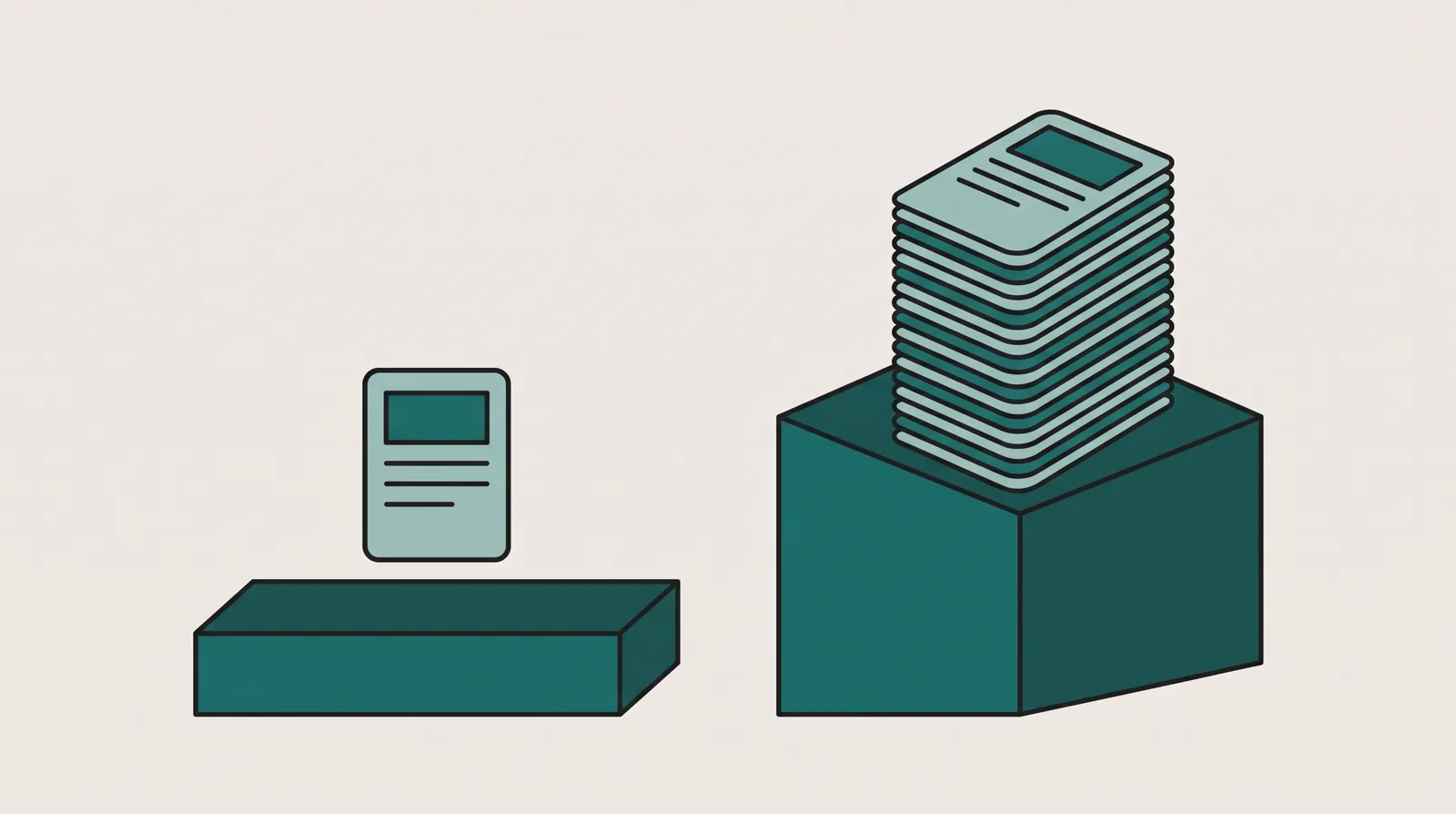
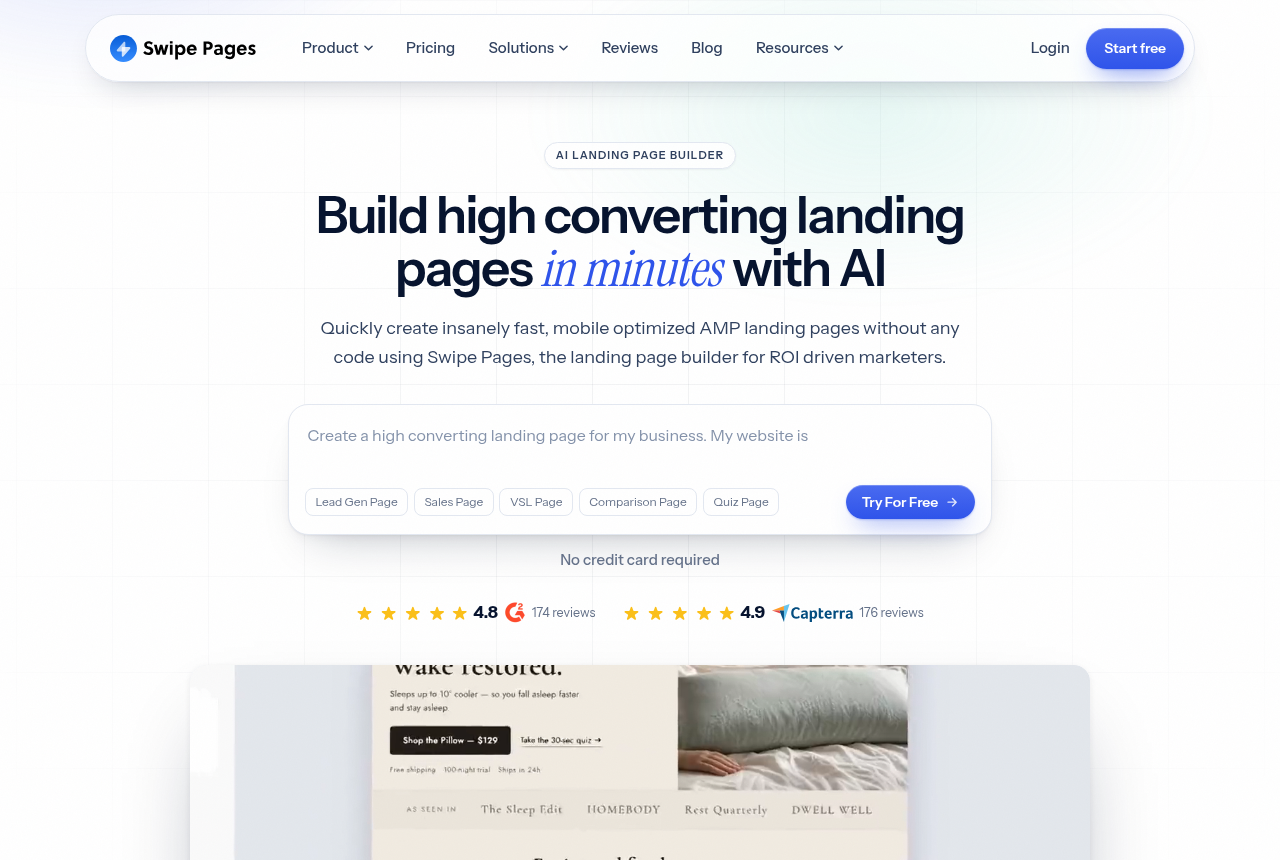
Swipe Pages spends its whole budget on the page. The AMP framework is the point: reviewers single out the speed above everything else, because for paid traffic a slow lander loses the click before it paints. On top of that it has Swipe Genie, an AI builder that drafts a page for you, a checkout through Stripe, PayPal and Razorpay with order bumps and upsells on every plan, and dynamic text replacement so the headline can match the ad. The trade-off is that AMP restricts custom JavaScript, heavy animation and some third-party scripts, so a visually complex or highly interactive page is harder to build here than in a general builder. Most reviewers still find it fine for a standard lander.
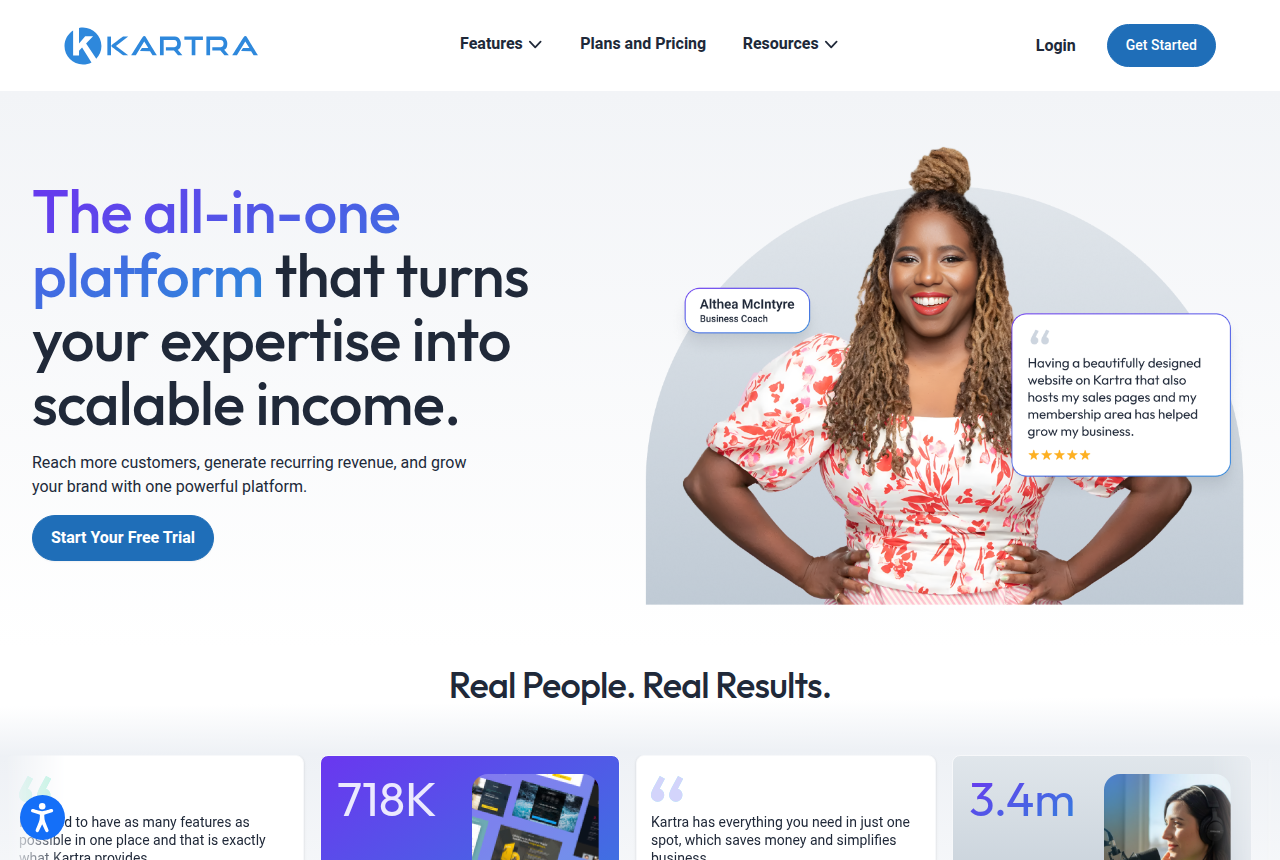
Kartra spends its budget on breadth. On top of the pages and checkout that Swipe Pages also has, it adds email and SMS, memberships, a helpdesk with a ticketing system, calendars and booking, video hosting, webinars, quizzes and its own affiliate management. For a creator who would otherwise pay for a separate email tool, a course host, a booking app and a support desk, folding all of that into one login is the argument, and users describe cancelling several separate subscriptions after moving in. The cost is that it is a much bigger system to learn, and new users call the editor dated and slow to pick up.
So the clean split: Swipe Pages makes one fast page and a checkout and stops there on purpose; Kartra runs the whole sell-and-deliver machine, and asks you to pay for it and learn it.
The split-testing difference for paid traffic
This is the line that settles it if you buy clicks, and it is the one place these two are not close. Both tools test a page. They test it in different ways, and only one way is safe for a paid campaign.
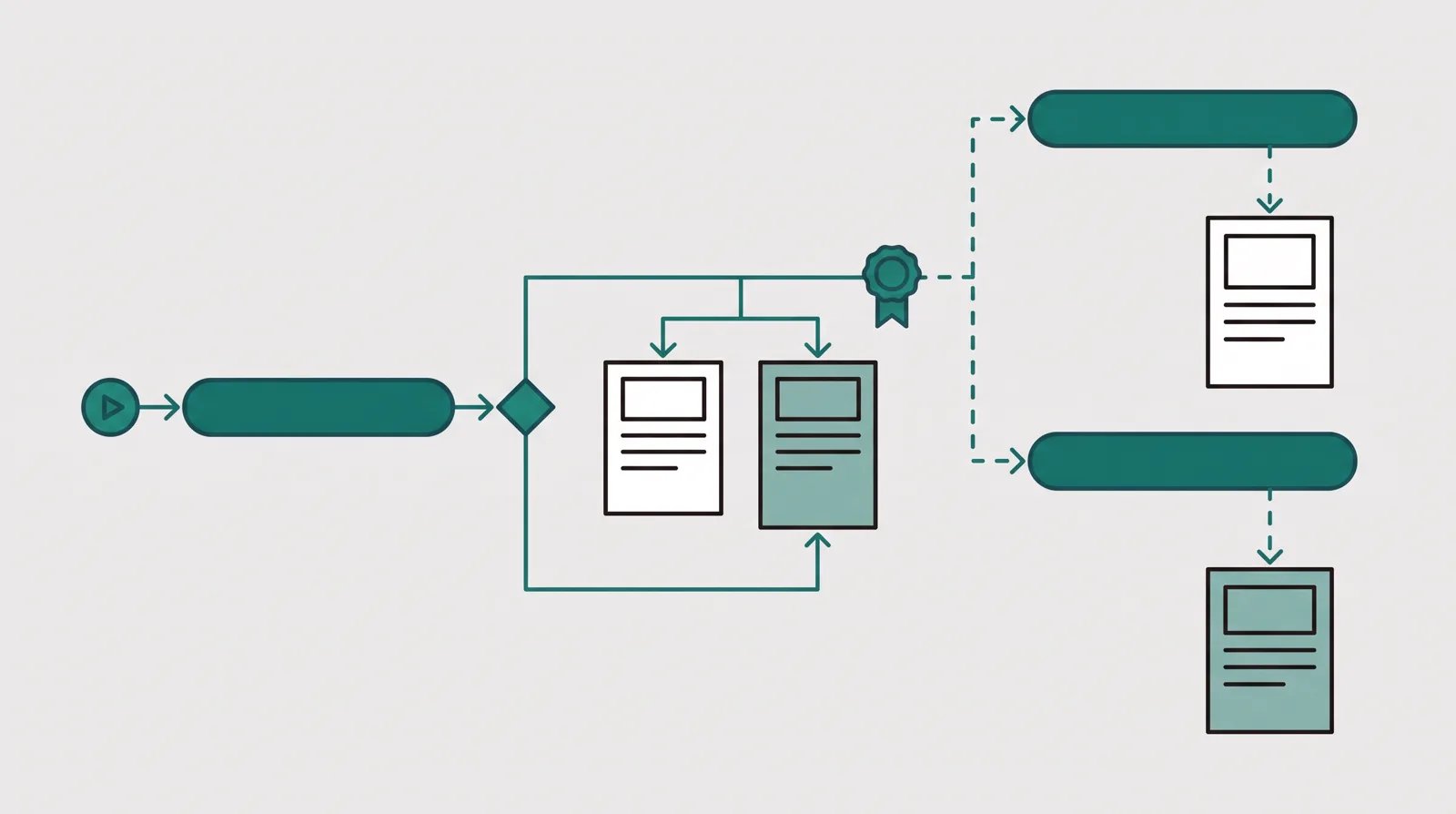
Swipe Pages runs server-side A/B testing from the $69 Marketer plan. Variants rotate under a single URL, so the destination link the ad points at never changes. Kartra's split testing is page-level: it serves different page versions and picks a winner, but it is not built to keep one stable campaign URL in front of the ad platform.
Why that matters is mechanical, not a matter of taste. When a test changes the destination URL, Meta and Google can drop the campaign back into the learning phase and reset the optimisation you paid to build, and a materially changed page can send the ad back through review. A paid-traffic buyer tests constantly, so that cost lands on every experiment. Swipe Pages was built to avoid it. Kartra was not, because its buyer is usually selling to a warm list or an organic audience where a URL change costs nothing.
One caveat on both: neither is an affiliate tracker. There are no server-to-server postbacks to an affiliate network in either tool, so if you run network offers you still keep a dedicated tracker alongside whichever one you choose.
What long-term users report
We do not run these platforms on live campaigns. We read what people who have used them for months actually say, alongside each vendor's own docs and pricing pages, and we verify prices with the vendor. On Swipe Pages the recurring praise is the speed, and the recurring gripes are AMP's design limits and thin measurement: there are no native heatmaps, and users report tracking gaps such as call tracking, so you lean on your ad pixel and an outside analytics tool for the full picture. On Kartra the praise is the consolidation, with users describing cancelling separate CRM, email and cart subscriptions after moving in; the steady complaint is support, with reports of multi-day waits and generic replies, plus an editor new users find dated. Both platforms are real and safe to trust. The risk in each case is fit, and for Kartra support, not whether the software delivers.
Which one should you pick?
Swipe Pages, for buying cold traffic to a fast page
Choose Swipe Pages when your margin is conversion rate minus click cost and the page is the whole battle. AMP speed protects the mobile click, server-side A/B testing from the $69 Marketer plan lets you test without resetting Meta or Google learning, conversions and pages are unlimited on every plan, and the 14-day trial takes no card. Go in knowing the ceiling: AMP limits custom code, there are no native heatmaps, and it is a page builder rather than an affiliate tracker. For a focused paid-traffic lander, it is the better fit of these two by a clear margin.
Kartra, for an established creator selling their own offer
Choose Kartra when what you sell is your own courses, coaching or a membership, you already have revenue, and you want the email, SMS, webinars, helpdesk, memberships and affiliate management in the same system as the pages and checkout. From the Starter plan up it takes no cut of your sales and includes unlimited pages, products and courses, and it is a known quantity that has run since 2018. Budget for the two things its users flag most: the support experience, and a learning curve steeper than a single-purpose tool. And know the limit for paid traffic: its page-level testing is not the ad-safe, same-URL kind.
ElasticFunnels, for the test and checkout on one record
There is a reader these two leave in the middle: someone buying cold traffic who wants Swipe Pages' ad-safe testing and Kartra's owned checkout and follow-up, without the compromise in either. ElasticFunnels is a funnel platform built for that reader, the affiliates, product vendors, agencies and ecommerce brands running paid traffic. It builds the pages, with an AI builder that drafts a lander from a prompt or clones one from a URL, and it split-tests variants under a single campaign link, so the ad platform keeps its learning and a test never goes back through review. That same-URL testing is why most teams move to it, but it is one reason among several rather than all it is: the checkout does order bumps, one-click upsells and subscriptions and can route payments across several merchant accounts, and a CRM, automations and attribution sit on the same record, so a click, an order, a rebill and a refund are one row instead of exports you reconcile later. The multi-account routing matters most to sellers pushing real card volume; a seller taking a handful of orders a week will not lean on it, but they still get the checkout, the upsells and the one-record reporting. Starter is $97/mo, every feature is on every plan, and the 14-day trial needs no card; EF-hosted checkouts carry a 0.5% fee on the revenue processed through them, and sales on outside networks are not charged.
The catch to state plainly: ElasticFunnels is newer than both Swipe Pages and Kartra, and there is very little independent third-party review coverage to check its claims against yet, so until you run real volume through it you are largely taking the vendor's word for it. That is what you would expect of a platform this new, and it limits your outside proof rather than the features themselves, which are all on every plan. The sensible response is the one the no-card trial invites: run one real campaign through it before you move a business across.
Still deciding? Read the Swipe Pages review and the Kartra review in full, see how the field stacks up in the full ranking, or read the ElasticFunnels review. For related head-to-heads, Instapage vs Kartra weighs another specialist page builder against Kartra, and Swipe Pages vs GoHighLevel pits the same fast lander against an agency platform.
Our pick
Swipe Pages
Swipe Pages is real, and it is a good fit for paid traffic. It has run for years, more than 7,000 marketers use it, and its AMP pages load near-instantly on mobile, which is exactly what a cold click needs. Its A/B testing is the ad-safe, same-URL kind from the $69 Marketer plan, conversions are unlimited on every plan, and the 14-day trial takes no card. You would regret it if you need heavy design freedom or built-in heatmaps: AMP limits custom code, and there is no native heatmap or call tracking. Buy it if you want a fast, focused lander with ad-safe testing and a real checkout, from $29/mo. Look elsewhere if you need a rich, interactive page or a full affiliate-tracking stack in one tool.
Frequently asked questions
Which is better, Swipe Pages or Kartra?
Do Swipe Pages and Kartra both support A/B testing?
Swipe Pages official sources
From Swipe Pages
Kartra official sources
From Kartra
- https://kartra.com/
- https://kartra.com/feature/shopping-cart-software/
- https://kartra.com/feature/email-automation-software/
Other sources
11 discussions and reviews read for this page. Quotes are excerpts; open a link to read the original in context.
- [g2-speed] Swipe Pages Reviews & Product Details
- [cap-flex] Swipe Pages Reviews 2026, Verified Reviews, Pros & Cons
- [g2-tracking] Swipe Pages Pros and Cons, User Likes & Dislikes
- [tp-support] Swipe Pages Reviews, Read Customer Service Reviews of swipepages.com
- [capterra-buggy] Kartra Reviews | Capterra
- [capterra-support] Kartra Reviews | Capterra
- [capterra-500k] Kartra Reviews | Capterra
- [trustpilot-polish] Kartra Reviews | Trustpilot
- [trustpilot-support] Kartra Reviews | Trustpilot
- [g2-bugs] Kartra Reviews | G2
- [g2-positive] Kartra Reviews | G2