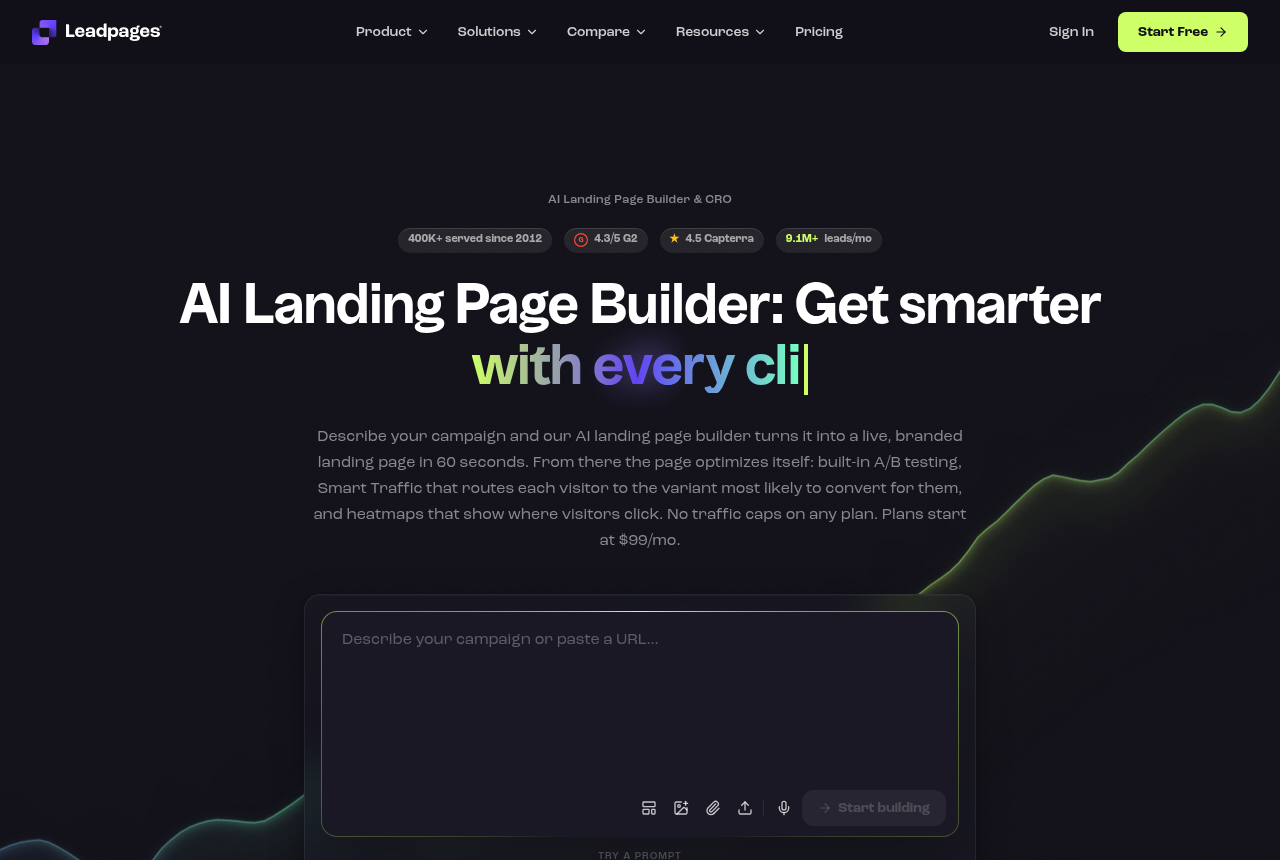
Leadpages
- Trial
- 7-day, card
- Split testing
- Server-side, from Grow
- Price (14 Oct 2026)
- Grow, $99 a month
I would open a trial here when a cold month might outrun a visitor allowance.
You need an a/b testing landing page tool that leaves one destination in the ad, because a second URL lets the platform choose which version gets the clicks. The setup that does this assigns each visitor a variant before the page renders, so Meta, Google or TikTok still see a single link.
Size the test before you pick a plan
Landing page split testing, for someone buying Meta, Google or TikTok traffic, means one published URL. The server decides which version that person gets, then sends the HTML. A buyer in an r/PPC thread on Google Ads landing tests put it this way: the ad platform sees the same ad and URL, and the traffic divides on arrival.
Three habits produce a number you cannot trust. The first is duplicating the ad so each copy points at a different page. Another r/PPC thread says the delivery algorithm then chooses which ad is shown, so the test never settles. The second is a funnel-step comparison that the vendor describes only as two versions of a step. That can be a real test of a headline, and it is a different mechanism from keeping the campaign's final URL fixed. The third is leaning only on the ad account's own experiments when the question is landing page a/b testing software inside the builder.
Leadpages' A/B testing page notes that Google shut Optimize down in September 2023, and treats its own Grow-plan test as the path that replaced it. Whatever builder you shortlist, check three things on the plan you would actually buy: the visitor stays on one variant if they return, the readout tells you when a gap is large enough to act on, and the traffic allowance can hold the sample you need.
The expensive miss is a test that dies mid-month because the plan's visitor allowance ran out. These three put the real test on a higher plan, or they remove the cap and charge for that.
I would open a trial here when a cold month might outrun a visitor allowance.
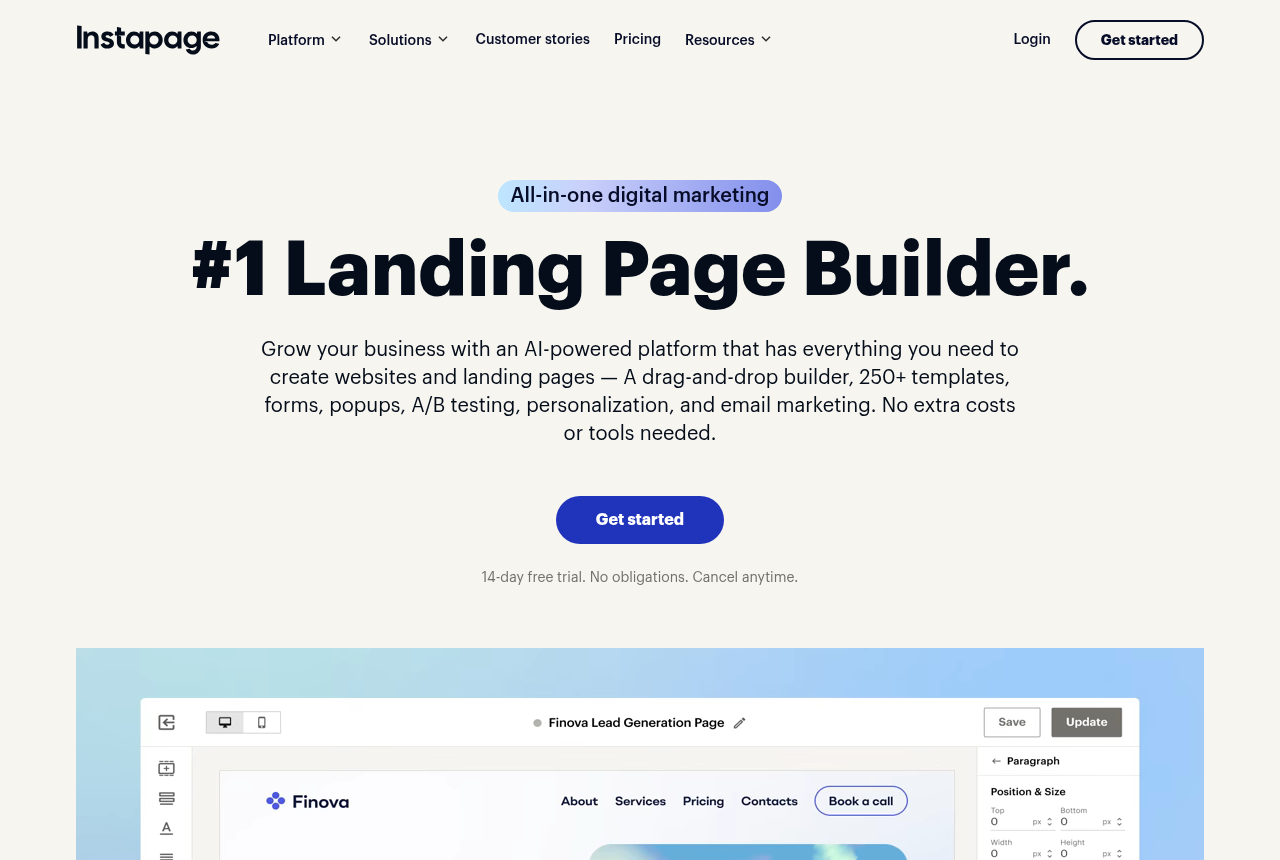
I would pay this jump only after a live page is stuck without a test.
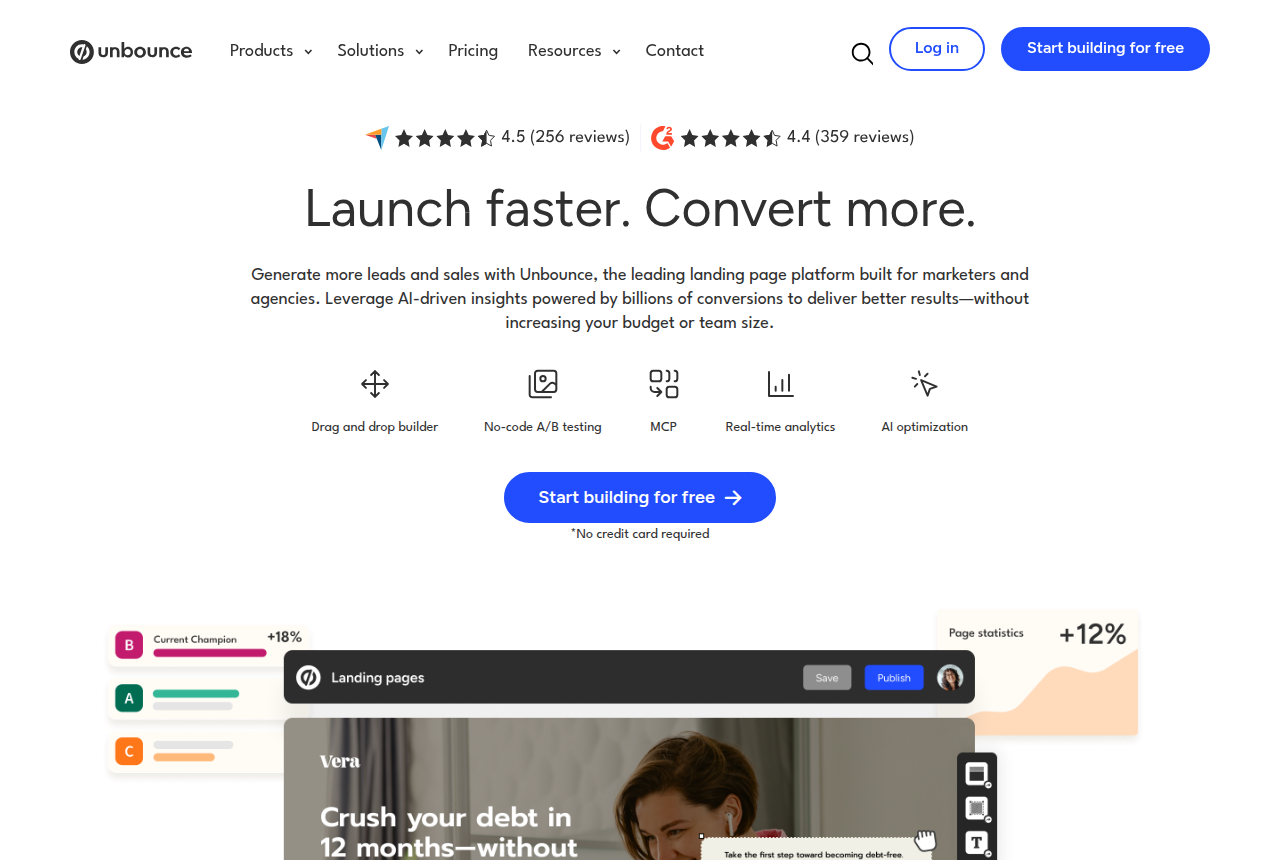
I would use it when each person has to keep seeing the same variant if they come back.
Leadpages says it assigns variants on the server, before the page renders, and that no plan adds a visitor cap or an overage fee. Testing starts on Grow. The trial collects a card. That fits a month where traffic is the unknown, because a winning ad can double visits without pushing you onto another tier. Set it beside Unbounce in Unbounce vs Leadpages.
Instapage lists server-side testing on Optimize, with wording about multiple variants, no flicker, and a traffic split you can change. Create, the plan under it, does not carry that row. On the plans page, Create's allowance is 15,000 unique visitors and Optimize's is 30,000. Pay the jump only after a live page is already stuck without a test. Instapage vs Leadpages covers the rest of the plan gap.
Unbounce puts A/B testing on the Experiment plan. Its explanation of A/B testing says a visitor keeps seeing the same variant if they come back. The pricing page never uses the server-side label, so the description that matches the vendor is sticky variants on one published page. Past the allowance, the bill is no longer the plan price. That is the objection if a test month runs hot.
If the monthly bill has to stay nearer a hundred dollars, Swipe Pages still rotates variants under one URL. It stops at the page and the form. The order happens in another system.
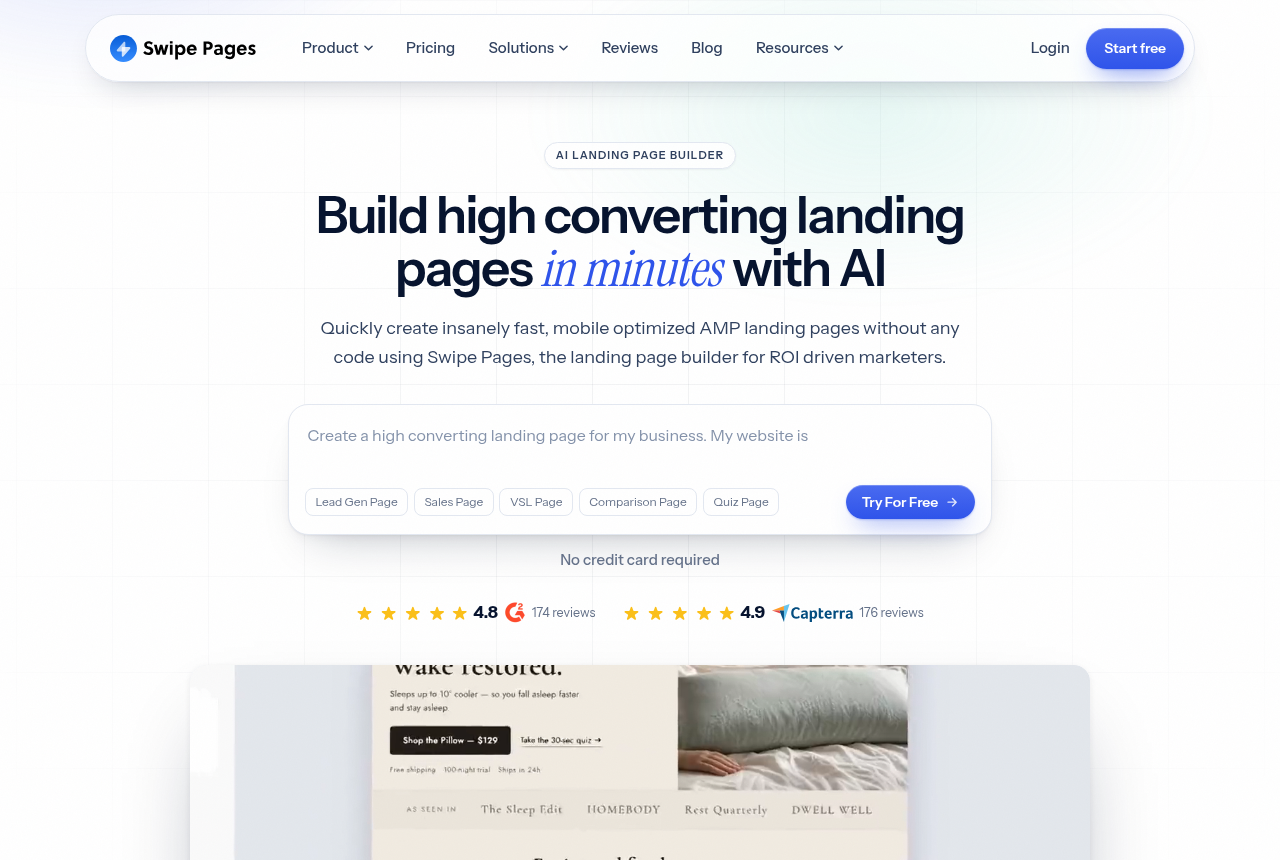
I would keep this for a fast mobile page when the sale happens in another tool.
Swipe Pages marks server-side A/B on Marketer and Agency, and leaves it off Startup. Every plan has a monthly visitor allowance, and the pricing page bills visits once you pass it. Skip Startup if the test is why the account exists. This is the builder for a fast mobile lander when the sale is recorded somewhere else.
Leadpages removes the cap and starts testing on Grow. Swipe Pages keeps an allowance and puts the same kind of test on a lower plan, which holds when the sample fits inside it.
Some accounts do not need the ad link held still. A two-version test inside the funnel is enough to learn a headline, and it costs less to start.
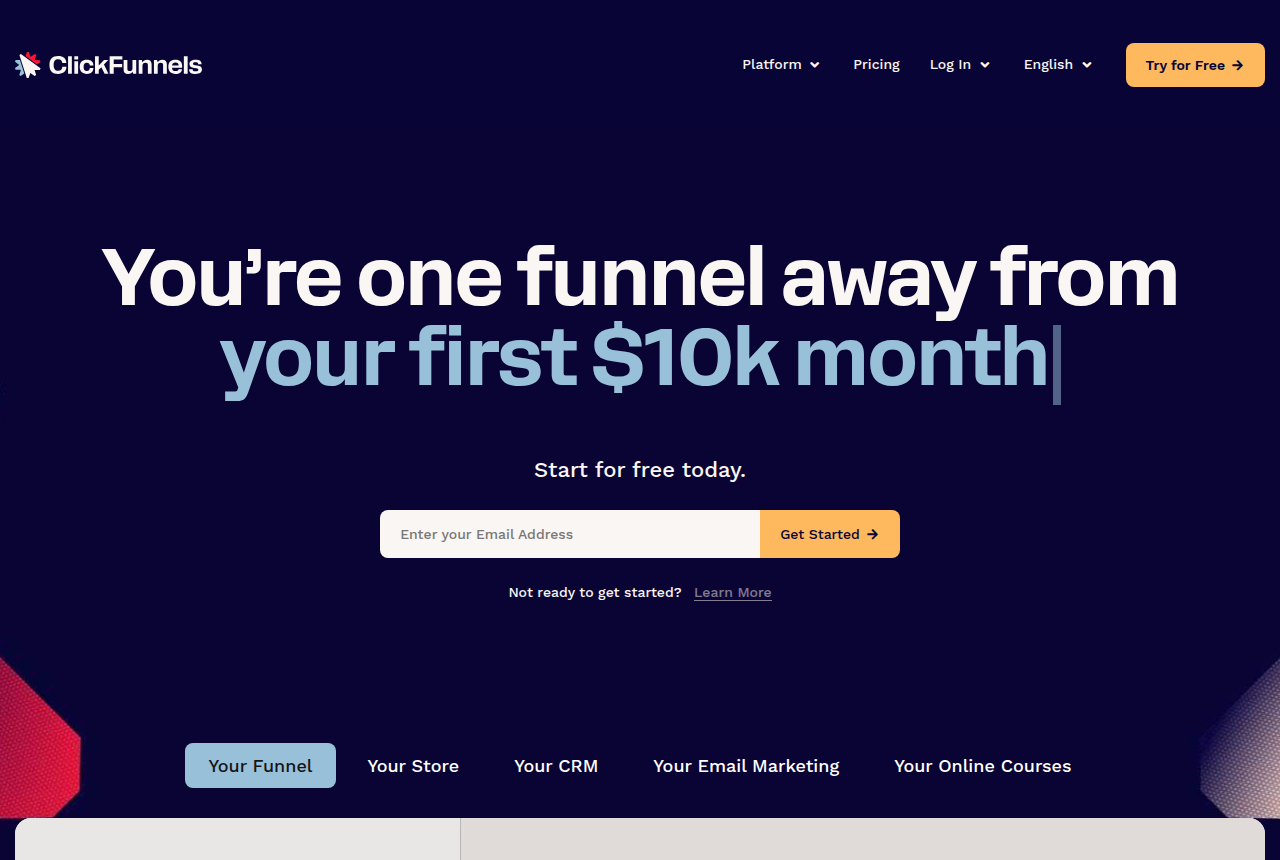
I would use this when comparing two versions of one funnel step.
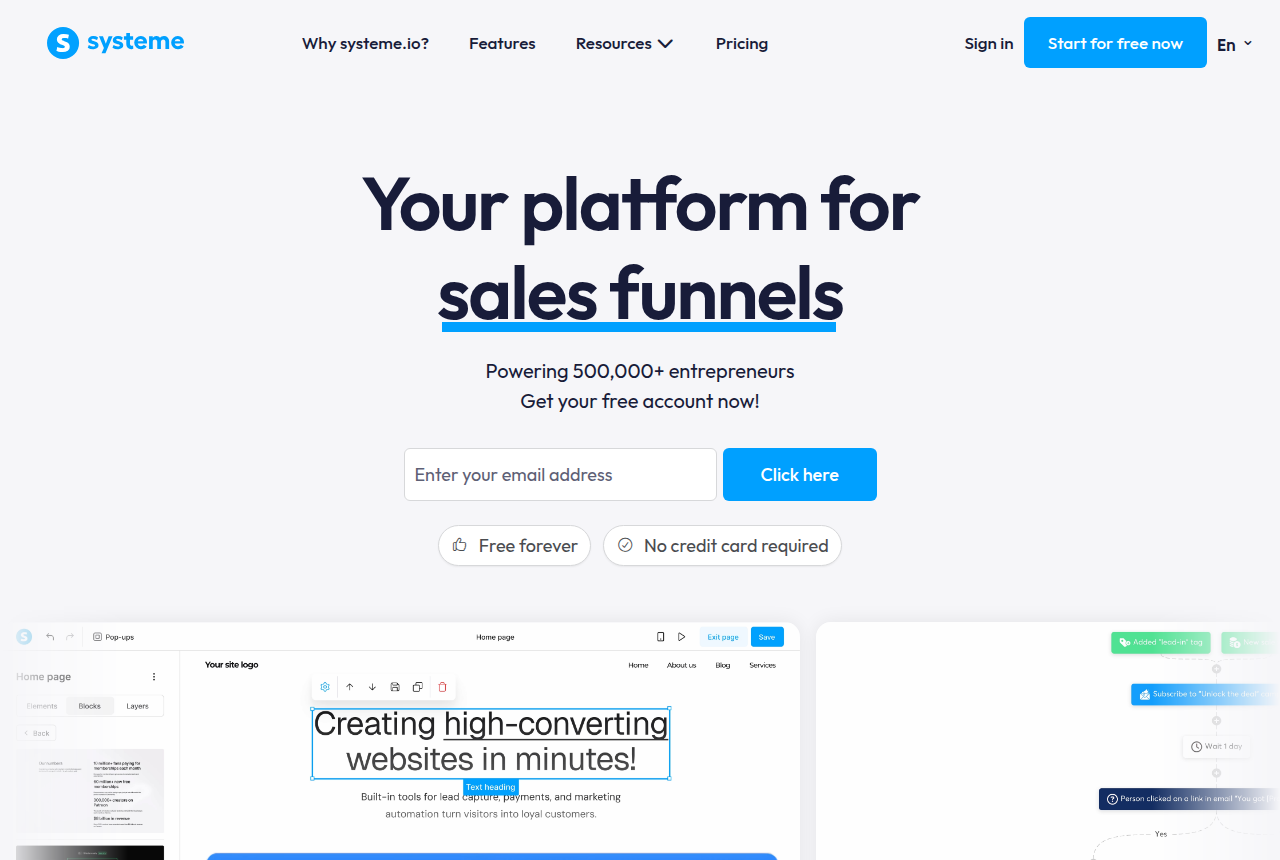
I would learn a headline here before paying for a testing tier.
ClickFunnels describes its test as two variations of a funnel step. The feature page does not say the ad's URL stays fixed while that runs, so a buyer whose campaigns are sensitive to a new destination should treat it as a step test. Paid plans do not list a visitor cap, which matters when a good week doubles the clicks. If you also need checkout and follow-up, leave this page for sales funnel software for paid traffic.
Systeme.io splits traffic between two page variations on every plan, the free one included, with up to three funnels on that free plan. Its sales funnels page frames the test as headlines, designs or offers. That is a sound way to learn copy. It is a different job from a rotation built for scale spend, and the vendor does not say the campaign URL stays put.
Landingi's catalog lists testing that assigns variants before render on the Optimize tier, at $119 a month on the annual view. The Landingi review is where that tier is set out.
A builder can assign variants correctly and still hand you a winner that is noise. Decide the sample before you launch. The split-test sample size calculator turns your current rate, the smallest lift you would act on, and your daily visitors into a visitor count and a number of days.
On Instapage, Unbounce and Swipe Pages, those visitors count toward the plan allowance. If the sample is larger than the allowance, the test and the bill collide in the same month. The landing page builder cost calculator shows what that month costs if the cap forces a higher plan. A vendor's own lift chart is the vendor's claim. Leadpages publishes one on its testing page, and it is not evidence that any of these tools will raise your rate.
I would size the test first, then buy the plan that can hold the sample. When visits swing and a cap would cut the month short, I would trial Leadpages Grow, card and all. A fast mobile page, with the sale recorded somewhere else, stays on Swipe Pages Marketer. I would skip Startup there, and I would skip Create and the Unbounce plan under Experiment, because the test you came for is not on them.
A headline you are still unsure of can sit on the Systeme.io free plan until it earns a paid testing tier. I would move to ClickFunnels once the funnel itself is the product and a new destination URL is acceptable. Instapage Optimize and Unbounce Experiment are the upgrades after a cheaper plan has already blocked the test. Builders outside this decision sit in the full landing page builder roundup.
Size the test before you pick a plan
11 discussions and reviews read for this page. Quotes are excerpts; open a link to read the original in context.

Written by
Marcus Reeve
Editor
Marcus leads the rankings at Lander Report. He reads the long threads where media buyers argue about which builder survives a Meta review and which one resets their ad learning, works through the vendors' own docs and pricing pages, and verifies every price before it goes in a table. He writes the roundups and the head-to-heads, and he cares most about one question: does a test cost you your campaign's learning phase?
Last checked 2026-10-14