Compare
ClickFunnels vs Builderall
Quick answer
ClickFunnels is our top pick for most people. Pick ClickFunnels if you sell your own offer and want a polished, established funnel platform with a strong checkout, courses and a large template and training library, and can absorb a $97 floor; pick Builderall if you want the widest set of marketing tools on the cheapest monthly bill and can live with the odd outage.
- ClickFunnels. Best for The whole funnel in one place. From $97/mo.
- Builderall. Best for The most tools for the lowest monthly price. From €7.50/mo.
Side by side
| Tool | Split testing | Checkout | Free trial | From |
|---|---|---|---|---|
| 1. ClickFunnels | Step-level A/B | Yes | 14-day, card | $97/mo |
| 2. Builderall | No same-URL testing | Yes, from Essentials | No trial, 30-day refund | €7.50/mo |
Where each one wins
ClickFunnels
What works
- One established platform for funnels, checkout, email, courses and a CRM, with a large template and training library.
- Smart Checkout with order bumps and upsells, and it takes no cut of your sales.
What to watch
- Its A/B testing changes the funnel step rather than rotating under one URL, so it does not protect ad learning the way same-URL testing does.
- Entry is $97/mo and the free trial asks for a card.
Builderall
What works
- It really is the widest toolkit for the money. One login covers a website and funnel builder, the MailingBoss email platform, SuperCheckout, booking, courses, webinars, a CRM and chatbots, and users describe cancelling several separate subscriptions after moving in. Plans start at €7.50/mo on the annual plan.
- The AI build tools are genuinely useful for shipping fast. An AI website builder generates structure and content, an AI email builder drafts broadcasts and sequences, and Magic Lab makes images. For someone launching many angles a week, that speed is real.
- As a company it is established and low-risk to trust. Builderall reports more than two million users across 25-plus tools and has run for years, so it is a known quantity rather than a product that might disappear next year.
What to watch
- It is not built to run cold paid traffic. There is no same-URL, server-side split testing, so a page test can reset the ad learning Meta and Google rely on, and there are no affiliate-network postbacks for attributing a conversion on a network offer.
- Reliability is the sharpest complaint. Users report recurring weekly outages, pages and the SuperCheckout failing to load, and features breaking after major updates. On a lander taking spend, downtime is burned budget.
- Support and the email tool draw steady criticism: multi-day ticket waits, conflicting answers between agents, and MailingBoss singled out for deliverability problems. The breadth also costs depth, with reviewers saying many of the 25-plus tools underperform standalone alternatives.
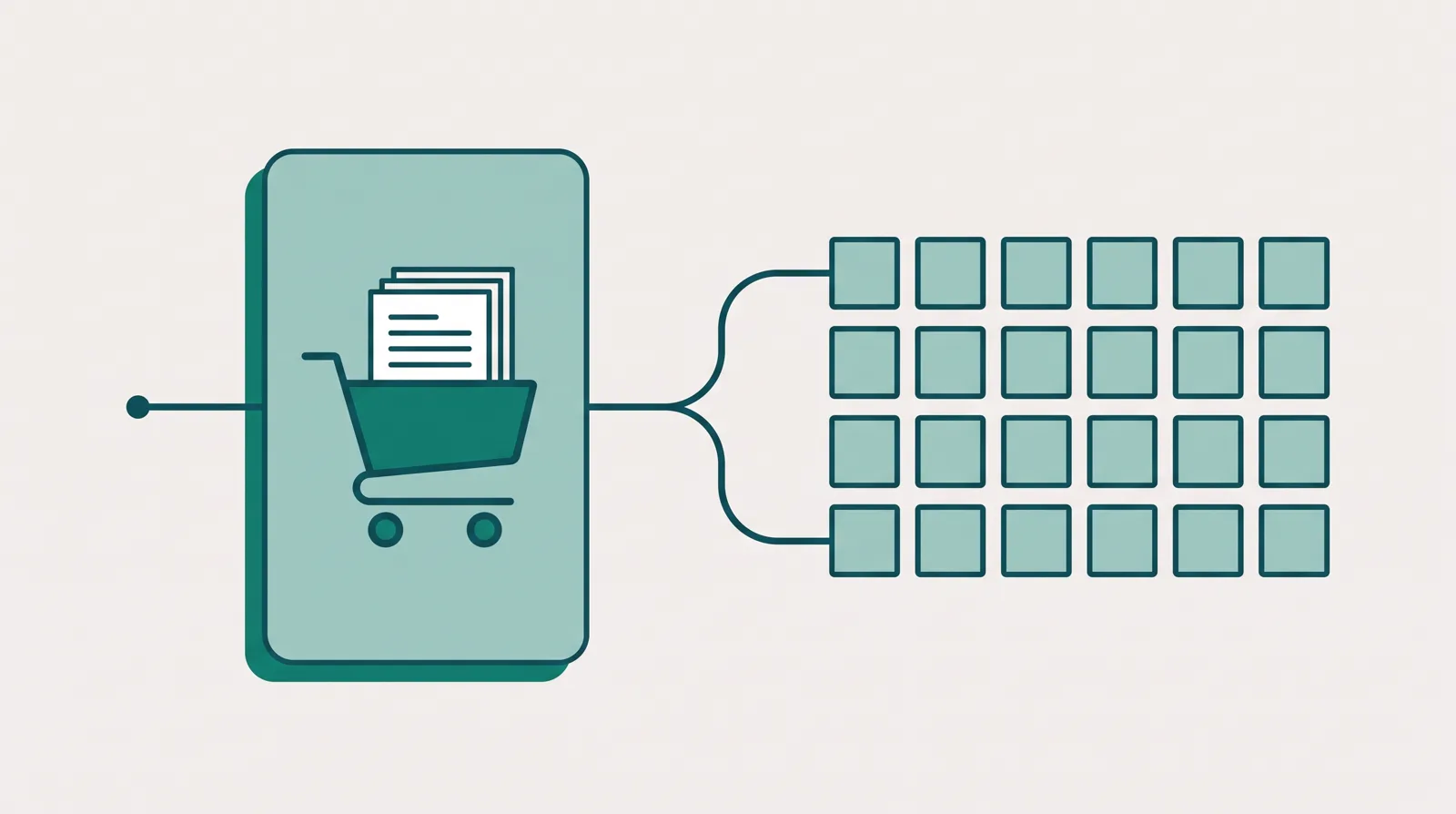
Two established platforms, two different bets
ClickFunnels and Builderall get shortlisted together because both sell the same promise: one login that replaces the four or five tools you would otherwise stitch together. Both build funnels and pages, take payment, send email and host courses. Both are real, established companies that have run for years. So the choice is not about a missing feature. It is about how each one spends its budget, and which trade fits the way you work.
ClickFunnels spends its budget on polish and depth in the funnel itself. It is the more battle-tested of the two, with a strong checkout, a large template and training library, and an ecosystem of courses and community around it. You pay for that: the floor is $97 a month.
Builderall spends its budget on breadth. It bundles more than twenty-five marketing tools into one account for less than most single tools cost, and reports more than two million users. Its buyer wants the whole toolkit in one cheap place and is willing to trade depth for the price.
If you are down to these two, you are really deciding between a deeper funnel platform you grow into and a wider toolbox you keep cheap. The rest of this page is about which one your situation calls for, and where a third option worth knowing sits between them.
Pricing compared
The price gap is wide, and it is the clearest sign of which buyer each one expects.
ClickFunnels starts at $97/mo on its Launch plan, about $81/mo billed annually, then $197/mo for Scale and $297/mo for Optimize. The free trial asks for a card. The entry plan advertises unlimited funnels but caps contacts, workspaces and emails, so the bill climbs as your list grows. ClickFunnels takes no cut of your sales.
Builderall runs four plans, billed monthly or annually, with annual adding three months free. On the annual plan the checkout showed euro monthly rates, and Builderall prices by region so the currency you see may differ: Core at €7.50/mo, Essentials at €21.75/mo, Advanced at €45.75/mo, and Premium at €117.00/mo. There is no free trial and no free plan; every plan carries a 30-day money-back guarantee instead. Read the headline €7.50 tier carefully, though: it has no email platform, no checkout and no funnel builder. The funnel builder and CRM do not start until the Advanced plan at €45.75/mo, so that is the real entry price for anyone doing what this site is about.
Line the realistic rows up and the distance is stark. Builderall's Advanced plan, around €45.75/mo, is roughly half of ClickFunnels' Launch plan at $97. Even Builderall's top Premium plan at €117 sits close to ClickFunnels' entry. These are two prices for two different jobs, and the number tells you which buyer each one is built for.
What each is built to do
ClickFunnels puts its weight behind the funnel and the sale. The builder is mature, the template and training library is large, and the Smart Checkout supports order bumps and one-click upsells while taking no cut of your revenue. Email, courses and a light CRM sit under the same subscription. The recurring cost of that maturity is rigidity and price: reviewers call it expensive and describe standing up a single page as more work than it should be. It earns its keep once you already have a validated offer and traffic flowing through it, not before.

Builderall puts its weight behind breadth. The pitch is that one account replaces several subscriptions, and for its intended buyer that is real: reviewers describe cancelling separate email, page and course tools after moving in. One login covers a website and funnel builder, the MailingBoss email platform, SuperCheckout, booking, courses, webinars, a CRM and chatbots, plus a set of AI build tools that help you ship fast. But the landing page is one tile in a grid of twenty-five, not the headline, and the recurring criticism across review sites is that the breadth costs depth. A common Capterra line is that it is a jack of all trades, and that a buyer will not use most of what they pay for.
So the clean split: ClickFunnels gives you a deeper, more polished funnel and a higher bill; Builderall gives you a wider, shallower toolkit and a gentle price. One is a specialist you grow into, the other a generalist you keep cheap.
The split-testing difference for paid traffic
If you buy cold clicks, this is the line that should decide it, and neither tool is ideal here.
ClickFunnels does A/B test, but it splits at the funnel-step level, which changes the destination. Builderall is further from the mark: it has no same-URL, server-side split testing at all. Both matter for the same reason. When a test changes the URL a paid click lands on, Meta and Google can drop the campaign back into its learning phase and reset the optimisation you paid to build, and a materially changed page can send the ad back through review. The tool that keeps every variant under one campaign link protects the ad learning your spend depends on; neither of these two does that.
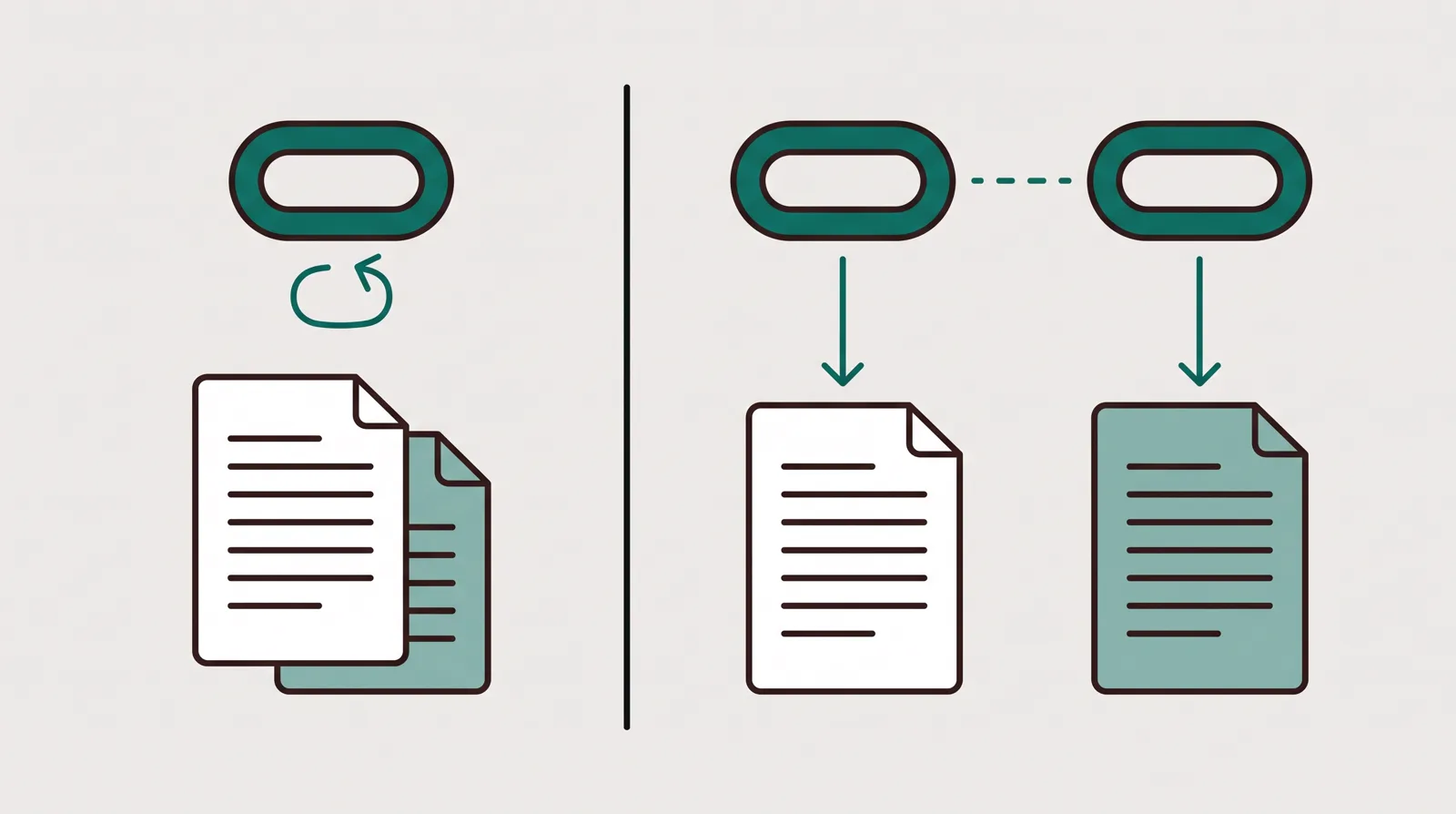
On top of that, neither tool is an affiliate tracker. There are no server-to-server postbacks to a network in either one, so if you run ClickBank, BuyGoods or Digistore24 offers you keep a dedicated tracker alongside whichever you choose. The practical reading: both can be run on paid traffic by an operator who designs tests carefully to keep them clean, but neither was built to make that easy.
What long-term users report
We do not run these platforms on live campaigns. We read what people who have used them for months actually say, alongside each vendor's own docs and pricing pages, and we verify prices with the vendor.
On ClickFunnels the recurring line is that it works but is expensive and rigid, and that it earns its keep only once you already have a validated offer and traffic. Beginners describe standing up a single landing page as running a military operation. Nobody doubts the platform is real and capable; the complaint is cost and stiffness, not reliability.
On Builderall the complaints are louder and more specific, and they cluster on reliability. Users report recurring weekly outages, pages and the SuperCheckout failing to load, and features breaking after major updates. Support draws steady criticism for multi-day ticket waits and conflicting answers, and MailingBoss is singled out for deliverability problems. Builderall is a real, established company, so the risk is not that it disappears; it is that a lander taking spend goes down, which is burned budget.
Which one should you pick?
ClickFunnels, for the established seller who wants one polished platform
Choose ClickFunnels when you already have a proven offer and want funnels, a strong checkout with bumps and upsells, email, courses and a CRM under one established roof, plus a large template and training library to copy from. It is the more battle-tested tool here, and for a serious own-offer seller it is the safer bet, which is why it takes our pick. Go in knowing the two costs its users name: a $97 floor that climbs with your contact list, and a builder that reviewers find rigid and heavy for simple jobs.
Builderall, for the small operator who wants everything cheap
Choose Builderall when you sell your own offer, you want the widest toolkit on the lowest bill, and you can live with rough edges. One login covers a website and funnel builder, email, checkout, courses and webinars, the AI build tools are useful for shipping fast, and the real working plan, Advanced at €45.75/mo, is roughly half of ClickFunnels' floor. Go in knowing the trade: no same-URL split testing to protect ad learning, no network postbacks, and reliability and support that draw the loudest independent complaints. As a cheap all-round stack for a low-volume own-offer business, it does the job. As a home for cold paid traffic, it is the wrong shape.
ElasticFunnels, for the test and the checkout on one record
There is a reader neither of these fully serves: someone buying cold traffic who wants ad-safe testing on top of a real checkout, without ClickFunnels' funnel-step tests or Builderall's rough edges. ElasticFunnels is a funnel platform built for that reader, the affiliates, product vendors, agencies and ecommerce brands running paid traffic. It builds the pages, with an AI builder that drafts a lander from a prompt or clones one from a URL, and it split-tests variants under a single campaign link on every plan, so the ad platform keeps its learning and a test never goes back through review. That same-URL testing is why most teams move to it, but it is one reason among several rather than all it is: the checkout does order bumps, one-click upsells and subscriptions and can route payments across several merchant accounts, and a CRM, automations and attribution sit on the same record, so a click, an order, a rebill and a refund are one row instead of exports you reconcile later. It sits in the same territory as ClickFunnels, which is the peer its buyers weigh it against; the multi-account routing matters most to sellers pushing real card volume, and a seller taking a handful of orders a week will not lean on it, though they still get the checkout, the upsells and the one-record reporting. Starter is $97/mo, the same entry price as ClickFunnels Launch, every feature is on every plan, and the 14-day trial needs no card; EF-hosted checkouts carry a 0.5% fee on the revenue processed through them, and sales on outside networks are not charged.
The catch to state plainly: ElasticFunnels is newer than both ClickFunnels and Builderall, and there is very little independent third-party review coverage to check its claims against yet, so until you run real volume through it you are largely taking the vendor's word for it. That is what you would expect of a platform this new, and it limits your outside proof rather than the features themselves, which are all on every plan. The sensible response is the one the no-card trial invites: run one real campaign through it before you move a business across.
Still deciding? Read the ClickFunnels review and the Builderall review in full, see how the field stacks up in the full ranking, or read the ElasticFunnels review. For related head-to-heads, ClickFunnels vs Systeme.io weighs two cheaper-to-start platforms, and ElasticFunnels vs ClickFunnels puts the two funnel platforms side by side.
Our pick
ClickFunnels
ClickFunnels is the pick if you sell your own offer and want funnels, checkout, email and courses under one established brand. Its A/B testing is not same-URL, and the entry plan is $97 with a card-required trial.
Frequently asked questions
Which is better, ClickFunnels or Builderall?
Do ClickFunnels and Builderall both support A/B testing?
ClickFunnels official sources
From ClickFunnels
Builderall official sources
From Builderall
Other sources
15 discussions and reviews read for this page. Quotes are excerpts; open a link to read the original in context.
- [capterra-learn] ClickFunnels Reviews 2026 - Capterra
- [g2-threemonths] ClickFunnels Reviews - G2
- [g2-editor] ClickFunnels Pros and Cons - G2
- [trustpilot-steep] ClickFunnels Reviews - Trustpilot
- [bbb-billing] ClickFunnels BBB Complaints
- [getyourhelper-glitches] ClickFunnels Review 2025 (After Spending $20K+ on It)
- [supplygem-quirks] ClickFunnels Review: Why You'll Love or Hate It (2026)
- [marketingagency-migration] Honest ClickFunnels Review for 2026
- [tp-outages] Builderall Reviews | Trustpilot
- [tp-support] Builderall Reviews | Trustpilot
- [tp-email] Builderall Reviews | Trustpilot
- [tp-complete] Builderall Reviews | Trustpilot
- [cap-allinone] Builderall Reviews - Capterra
- [cap-features] Builderall Reviews 2026 | Capterra
- [blog-fbb] Builderall Review [2025] | Freedom Bound Business